Overview
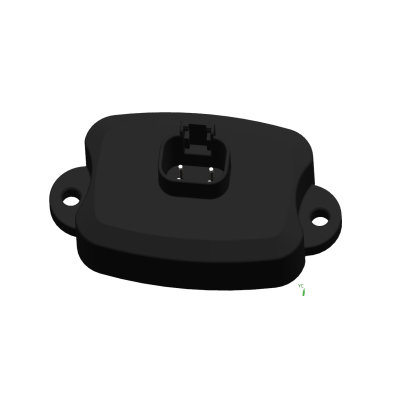
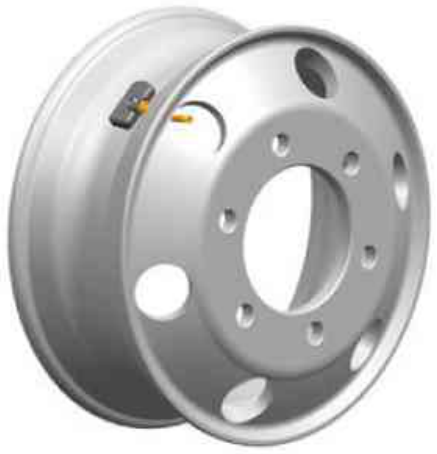
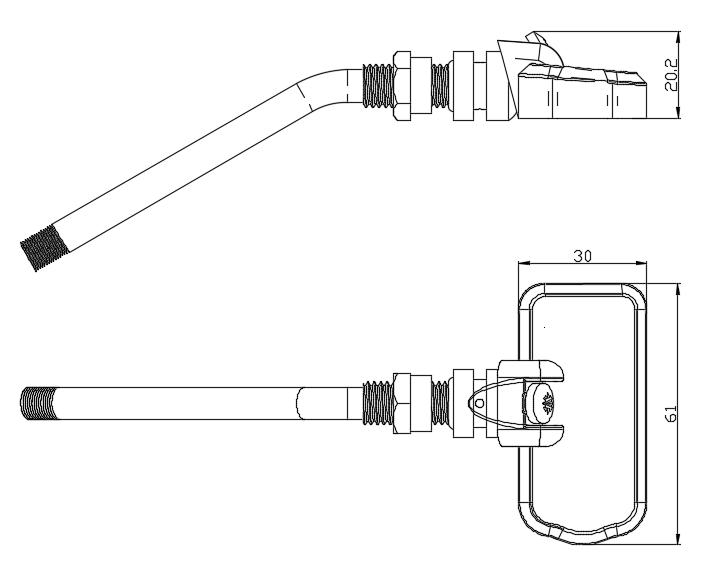
The YDK-902 sits inside the wheel, bolted to the valve stem with an M5 stainless retaining screw. It reads tyre pressure, in-wheel acceleration and tyre-cavity temperature, and broadcasts the readings on a 433.92 MHz frequency-hopping RF link that the in-cab receiver picks up — typically the Youlai EBX-957 TPMS receiver, or an OEM-equivalent receiver.
The valve-stem mount is the standard route for trucks, buses, trailers and multi-axle commercial vehicles, where the after-market screw-cap style is not robust enough for the duty cycle. Once installed, the sensor is wheel-balanced as part of the wheel; nothing protrudes outside the rim.
What it senses
- Pressure. Tyre cavity pressure, the primary TPMS signal — reported continuously while the wheel is rotating, with low-rate watchdog reports while parked.
- Acceleration. Used as a wake-up trigger and as a "wheel rotating" qualifier, so the sensor stays in deep sleep when the truck is parked and saves battery.
- Temperature. Tyre cavity temperature — used in the receiver's pressure-correction algorithm and to flag overheating brakes / under-inflated tyres on long descents.
Mechanical & battery life
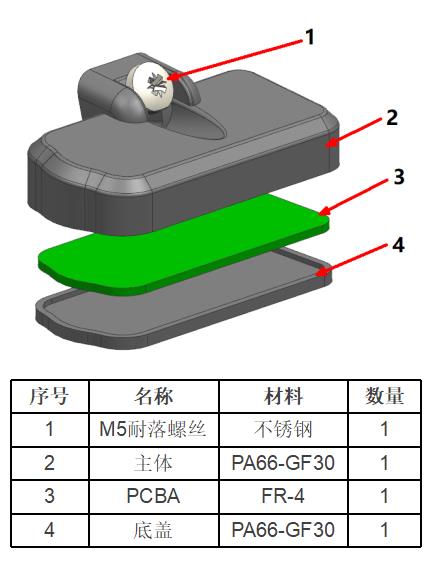
The sealed housing is IP66, with main body and rear cover moulded in PA66-GF30 (30% glass-filled polyamide) over an FR-4 PCBA. Mounting hardware is an M5 stainless drop-resistant screw — the screw geometry resists fall-out under in-wheel vibration. Battery life is 5–8 years.
RF link & receiver pairing
The 433.92 MHz link is frequency-hopping with ±0.5 MHz spread, and transmits at −10 dBm. Pair the YDK-902 with the Youlai EBX-957 TPMS receiver for a complete wheel-to-cab system, or specify your OEM-preferred receiver at quotation. RF protocol details and ID-coding are confirmed against your fleet plan.
Manufacturing & testing
Built under IATF 16949 with APQP project planning and a PPAP package available for OEM programmes. Every sensor goes through end-of-line pressure, RF transmit and battery-current checks before packaging. Cold-chamber and high-altitude validation is run on a sample basis in our in-house lab when the programme requires it.
Choosing the YDK-902: valve-stem, clamp-mount, and the receiver
The YDK-902 is the valve-stem sensor in the Youlai heavy-truck TPMS family, and it is the default wherever the rim takes a conventional metal valve — the standard case on trucks, buses, trailers and multi-axle commercial vehicles. It sits on the valve stem with no external antenna, is wheel-balanced as part of the wheel, and nothing protrudes outside the rim. For a fleet on standard rims, this is the sensor to specify.
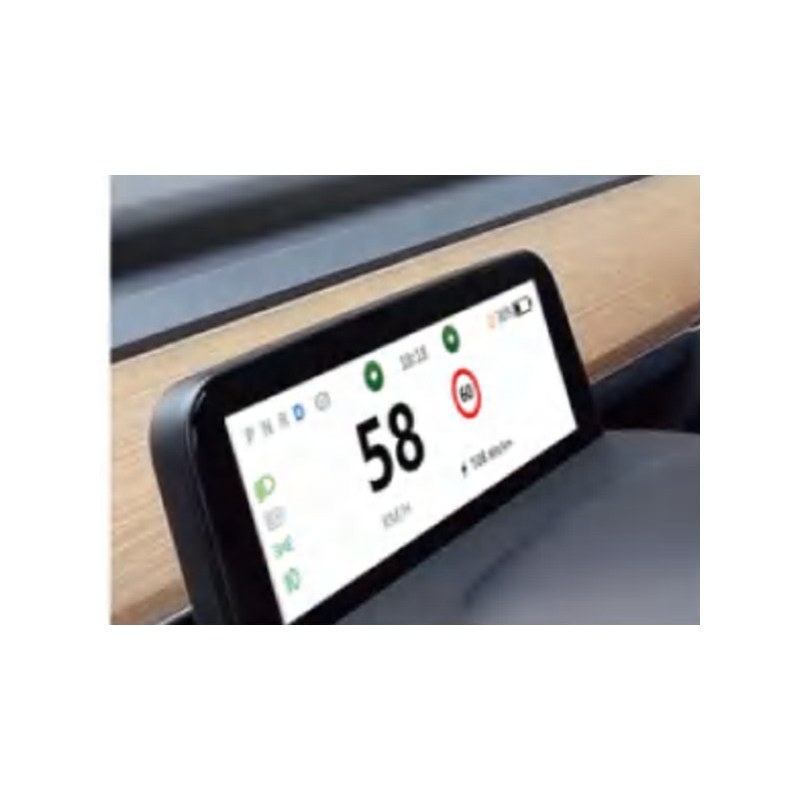
Where a rim will not accept a valve-stem sensor — heavy mining wheels with non-standard valve geometry, special trailer rims, or drop-centre wheels whose cooling fins foul the sensor body — the clamp-mount YDK-903 is the complementary variant: same 433.92 MHz frequency-hopping protocol, same pressure / acceleration / temperature payload and the same 5–8 year battery target, but clamped inside the rim with an external whip antenna to clear the rim-metal shadow. Because both variants speak one protocol to one receiver, a mixed wheel population runs as a single system: pair either sensor with the EBX-957 TPMS receiver, which decodes the per-wheel IDs and publishes pressure and temperature on CAN to the cluster or BCM. For the wheel-count, pressure-threshold and receiver-interface checklist that goes into a fleet specification, see the heavy-truck TPMS buyer guide.
How to ask
The YDK-902 belongs to the Switches & Sensors family. To request the sensor-to-receiver pairing protocol, the wheel-installation drawing or a multi-axle fleet-grade configuration, use the contact page. These help if you already have them: target vehicle programme, expected annual volume and key technical requirements (number of axles, OEM receiver if any, wheel size, pressure range). Drawings welcome.