Smart Control Modules for Commercial Vehicles
Smart electronic controllers for body, drivetrain, power management and connectivity on heavy trucks, buses and new-energy commercial vehicles. The EBX family — BCM, VCU, PMU, T-BOX, PEPS and specialty controllers — supports CAN-FD, J1939 and UDS diagnostics under one IATF 16949 OEM quality system.
Choose by control function
Six EBX families grouped by vehicle control function.
Body Control Modules (BCM)
Body electronics for the whole vehicle — lighting, wipers, windows, doors, central locking and anti-pinch. Variants by vehicle class.
EBX-954 heavy truck · EBX-953 mid truck / bus · EBX-2313 light commercial · EBX-2305 new energy
Vehicle Control Units (VCU)
Drivetrain controllers for new-energy commercial vehicles — torque control, energy management and drive-mode logic.
Power Management Units (PMU) & DC-DC
Auxiliary-bus power management and voltage conversion — PMU logic with integrated distribution, HV-to-24 V DC-DC and 24 V-to-12 V battery equalisation.
EBX-2050 / EBX-2052 PMU · EBX-2314 DC-DC · EBX-2407 battery equaliser
Telematics & Connectivity (T-BOX)
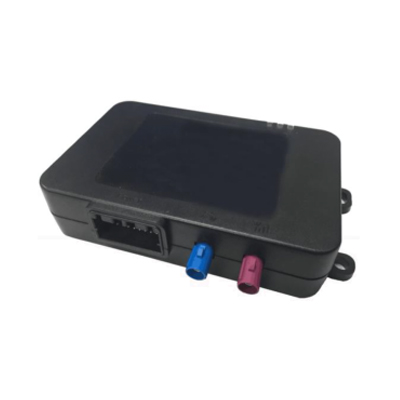
4G/LTE telematics, GNSS positioning and FOTA support, reading the vehicle CAN bus and carrying that data off the vehicle.
EBX-2054 T-BOX
PEPS & Smart Cabin
Keyless entry, push-start and integrated cabin functions for commercial cabs. New to PEPS? Read the passive entry & push-to-start buyer guide.
EBX-964 PEPS · EBX-2169 PEPS-BCM · EBX-2405 integrated body control box
Domain & Specialty Controllers
Single-function controllers behind a complete body harness — wiper, door & window, light and anti-pinch coordination. Choosing the door group? Read the power window & door control module buyer guide.
EBX-952 DCM · EBX-2162 wiper · EBX-2163 door & window · EBX-2164 light · EBX-2206 anti-pinch
Published EBX product pages
Pin-outs, drawings and application notes. The selector filters by control function and voltage system.
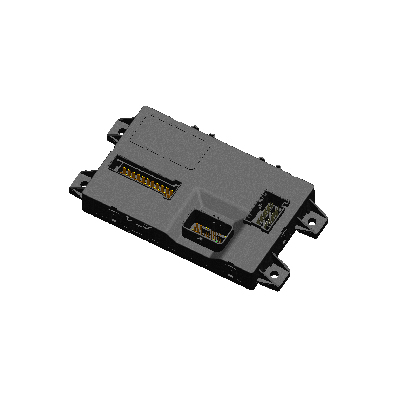
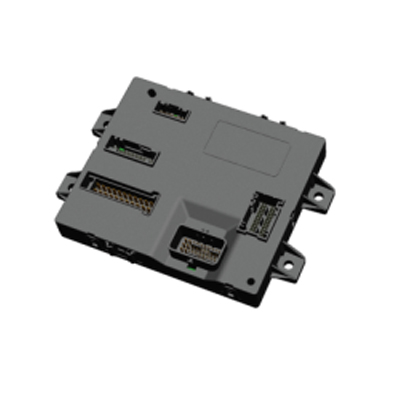
Full-scope BCM (Body Control Module)
Scoping a heavy-truck body controller? Read the Heavy Truck BCM buyer guide for the architecture boundary, CAN / J1939 role and RFQ checklist, or talk to us as your heavy-truck BCM supplier for OEM manufacturing and quotes. Not sure whether your platform needs a BCM, VCU or PMU? Compare all three in the BCM vs VCU vs PMU guide.
Powertrain & new-energy domain
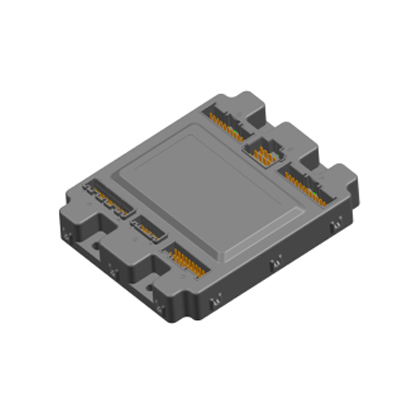
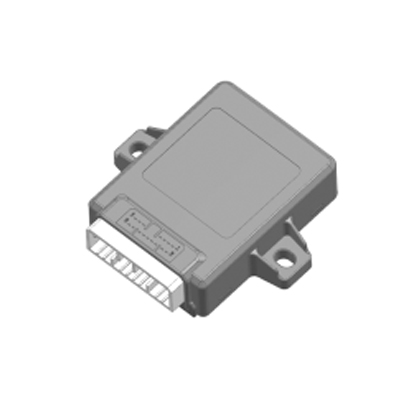
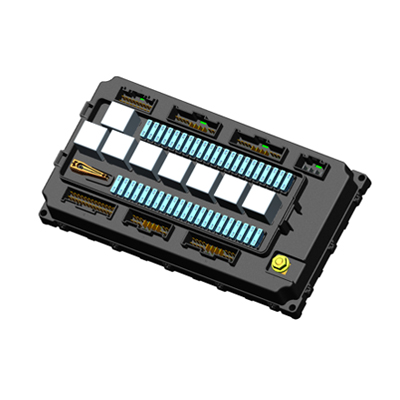
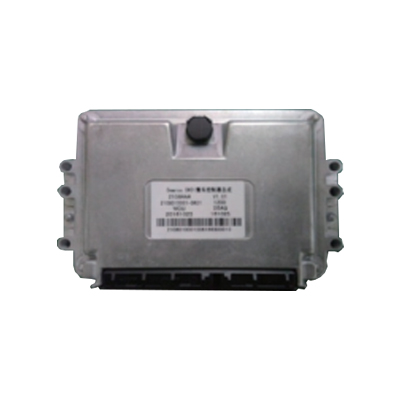
The powertrain-side intelligence on a new-energy commercial vehicle — the traditional VCU as a standalone ECU, or the next-generation VBU power-domain controller that fuses VCU + BMS algorithms on a single 200 MHz MCU to reduce inter-ECU coordination traffic on the vehicle CAN.
New to electrification? Read the Vehicle Control Unit (VCU) buyer guide for the powertrain boundary, how it differs from the BCM and PMU, and the spec checklist.
PMU & power distribution
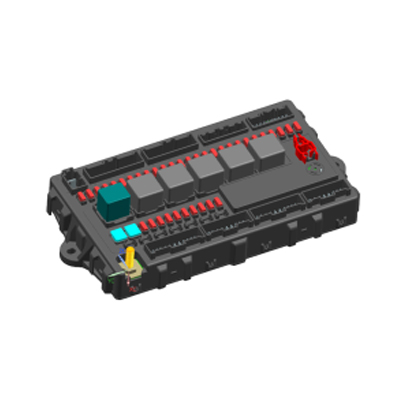
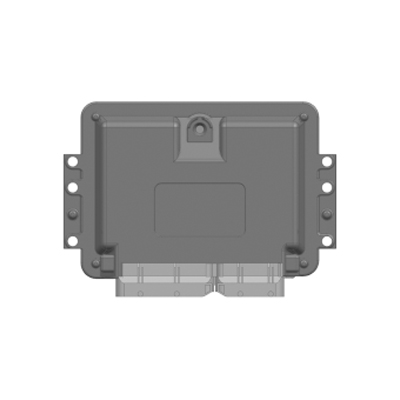
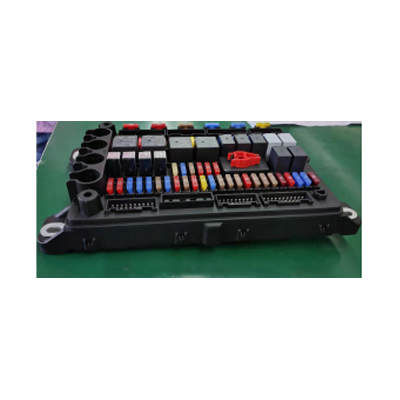
Integrated power-management units that own both the smart-logic side (PWM solenoid drive, HSD outputs, digital inputs) and the on-board power-distribution side (fuses + relays on the same housing) — replaces the typical 2-box ECU + PDB arrangement.
Choosing between them? Read the Power Management Unit (PMU) buyer guide for how it replaces the fuse-and-relay box, how it differs from the BCM and VCU, and the channel-count spec checklist.
New-energy power conversion
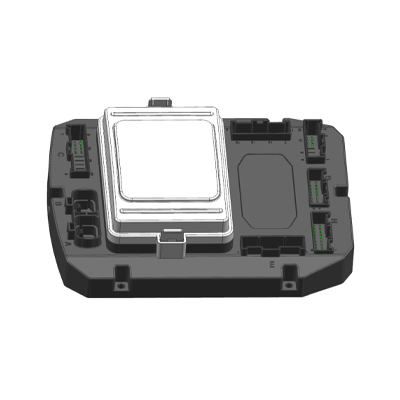
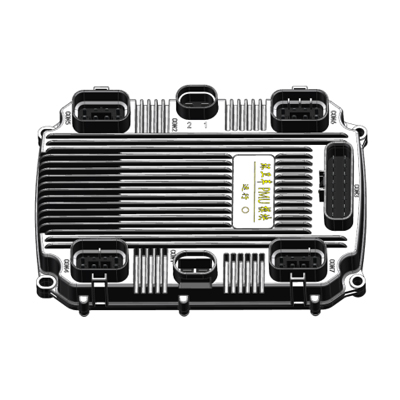
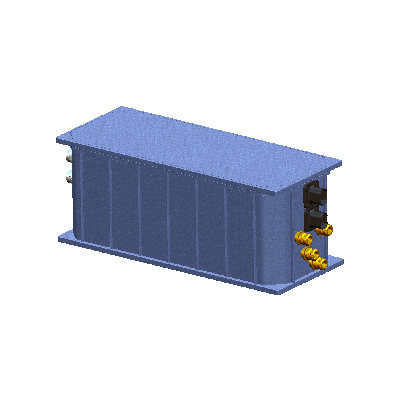
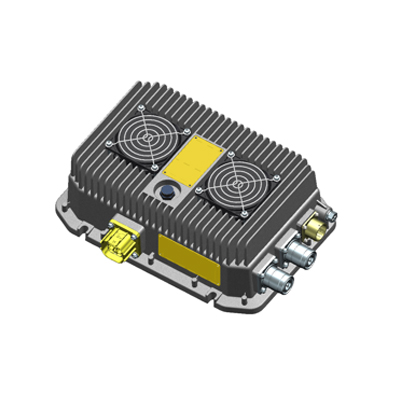
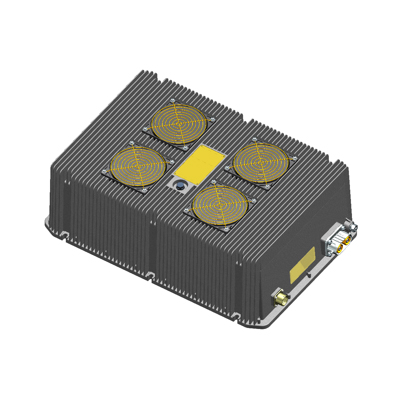
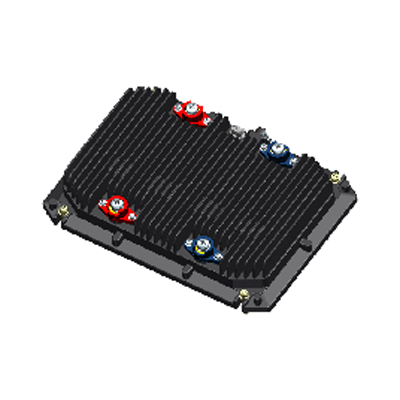
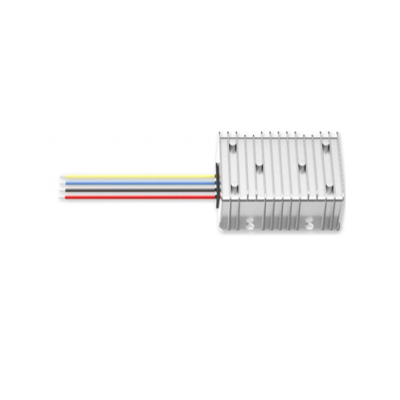
The power-conversion chain on an electric heavy-duty vehicle — HV→24 V, including Vehicle-to-Load, then 24 V→12 V as a high-current equaliser or an isolated module for sensitive loads. One supplier-qualification cycle, one CAN integration pattern.
Platform cab-side controllers (24 V series)
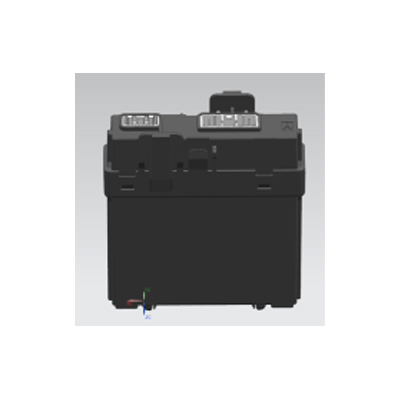
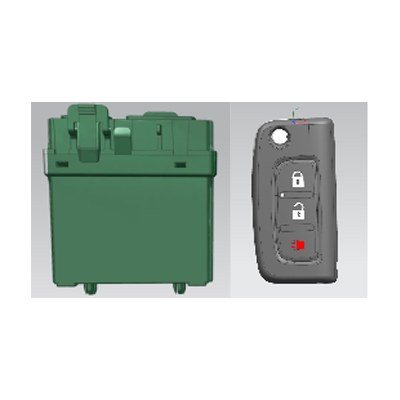
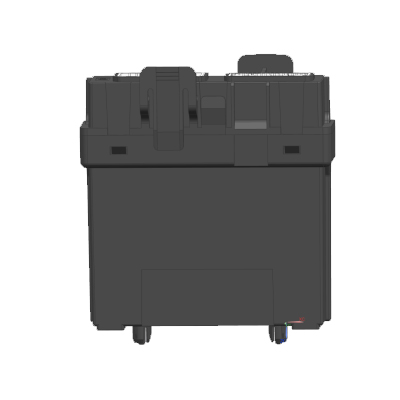
Three siblings on the same 125 × 123.9 mm shared housing — one mounting footprint, one bracket, one four-fold safety protection stack, three different firmware function-blocks (wiper / door+window / lighting). Scoping the lighting node? Read the vehicle lighting control module buyer guide for the dedicated-module vs BCM vs combination-switch boundary, trailer-light detection and the CAN / spec checklist.
Specialty controllers
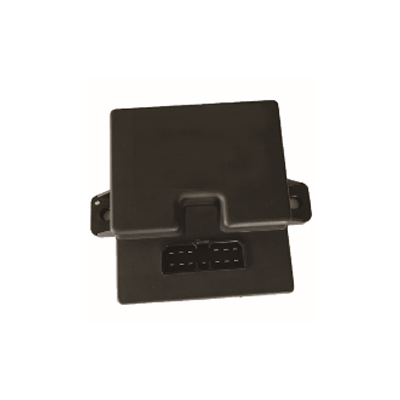
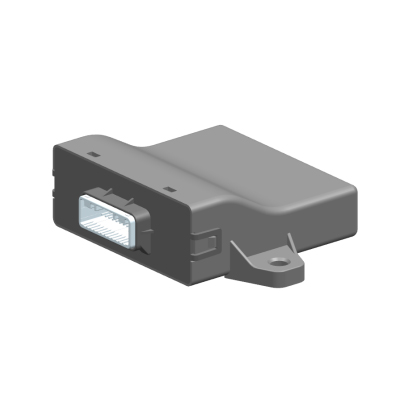
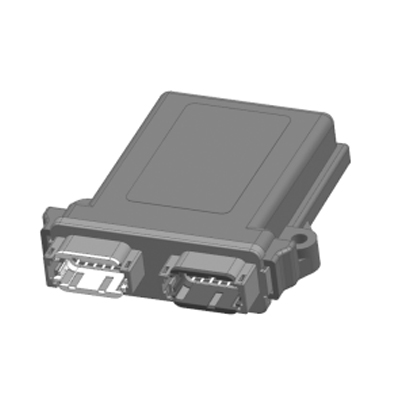
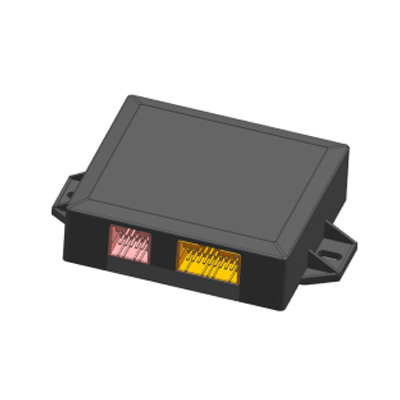
Driving motors or linear actuators? The DC motor & actuator control guide explains when a load needs a reversing H-bridge, when a high-side driver is enough, and when the direction belongs to a hydraulic valve instead — then how to size channels against stall current rather than running current.
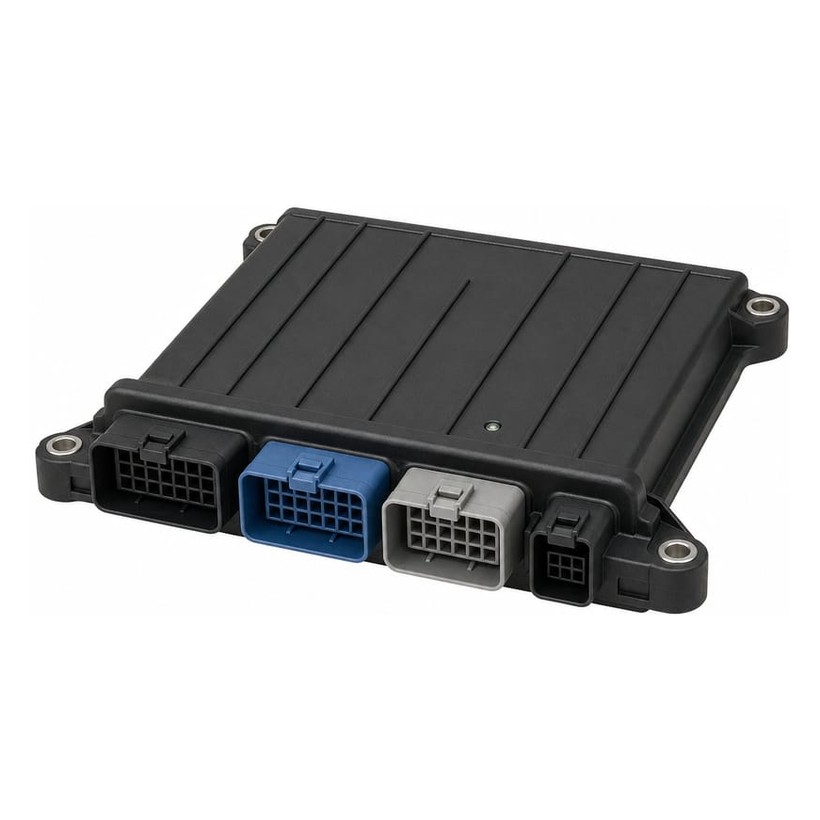
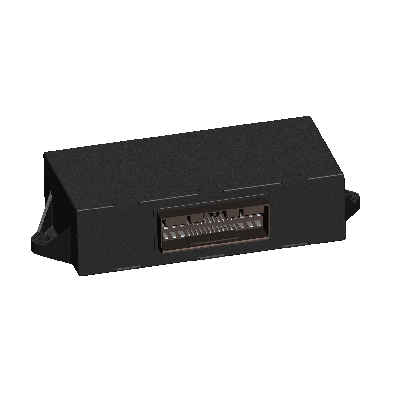
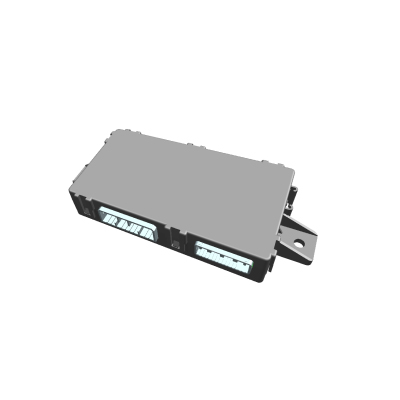
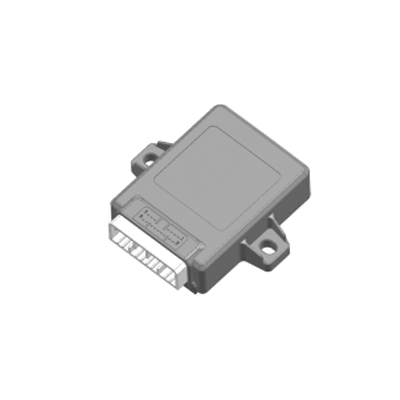
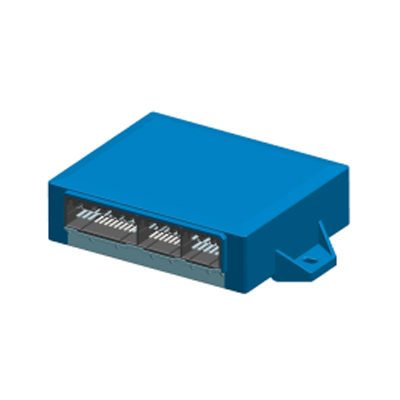
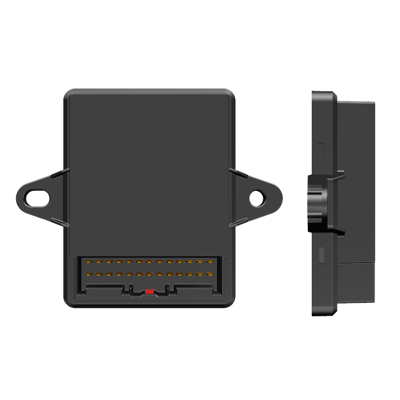
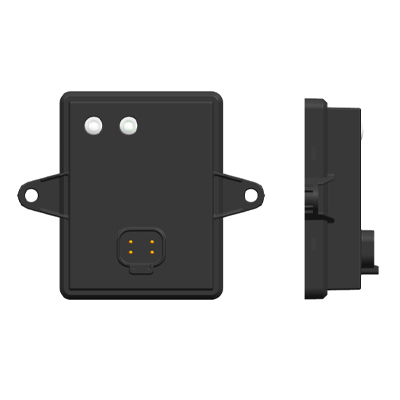
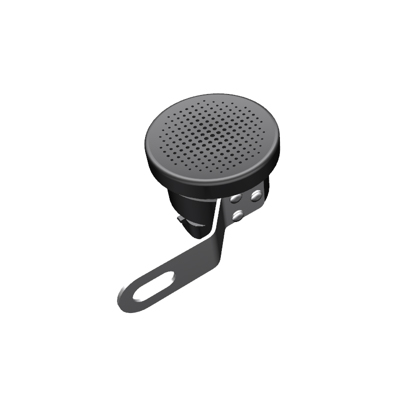
Sensors, RF receivers & annunciators
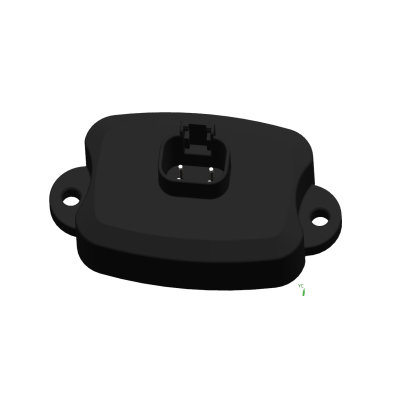
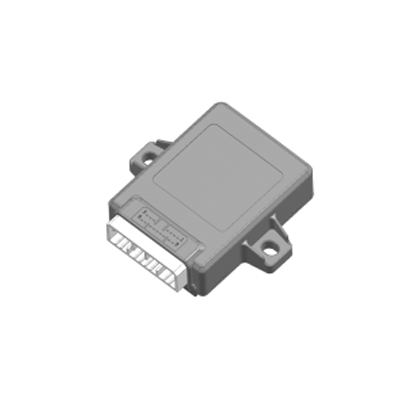
Network & telematics
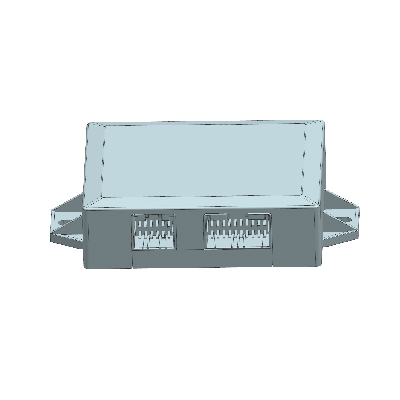
Connecting the vehicle? Read the T-BOX telematics buyer guide for how it carries CAN data off the vehicle, how it differs from a gateway and a BCM, and the connectivity checklist. Splitting the vehicle into several CAN segments? The J1939 CAN gateway buyer guide covers when a dedicated routing box is needed, which messages should cross it, and how to specify the routing table for quotation.
Choosing the right control-module architecture
Buyer guides for the most common BCM, VCU, PMU and T-BOX decisions.
Heavy Truck BCM: what a BCM does
The body control module behind the lights, wipers, doors and signals on a truck, and how it talks to the CAN / J1939 bus.
Read guideVehicle Control Unit (VCU): what a VCU does
The brain that decides torque and energy on an electric or hybrid truck, and why it is not the same part as a BCM or PMU.
Read guidePower Management Unit (PMU): smart power distribution
Why solid-state power distribution is replacing the fuse-and-relay box, and how a PMU shares the work with the BCM and VCU.
Read guideBCM vs VCU vs PMU: what is the difference
Three control modules, side by side: what each one is responsible for, and when a single box can cover more than one job.
Read guideWhat the EBX family is built to deliver
Vehicle communication ready
CAN 2.0, LIN, SAE J1939 and ISO 14229 UDS support — for commercial-vehicle gateway integration.
Automotive-grade hardware
32-bit automotive MCUs, plus AUTOSAR-style layered software architecture for custom program adaptation.
Validated for OEM projects
IATF 16949 manufacturing, in-house environmental lab + EMC pre-compliance, with IP protection matched to each application.
Talk to Our OEM Project Team
Typical reply within one business day. A model number, or one line on what you need, is enough.